What Portugal searched for on 6 November 2026
Most searched in the 24 hours to 12:20: meteorologia (50K+), 11 de novembro (5K+), mais-valia (5K+), combustíveis (2K+), educação obrigatória (2K+), vórtice polar (2K+).
-
meteorologia · depressao bruna · continente100K+ searchesPublished 7 November 2026, 00:33
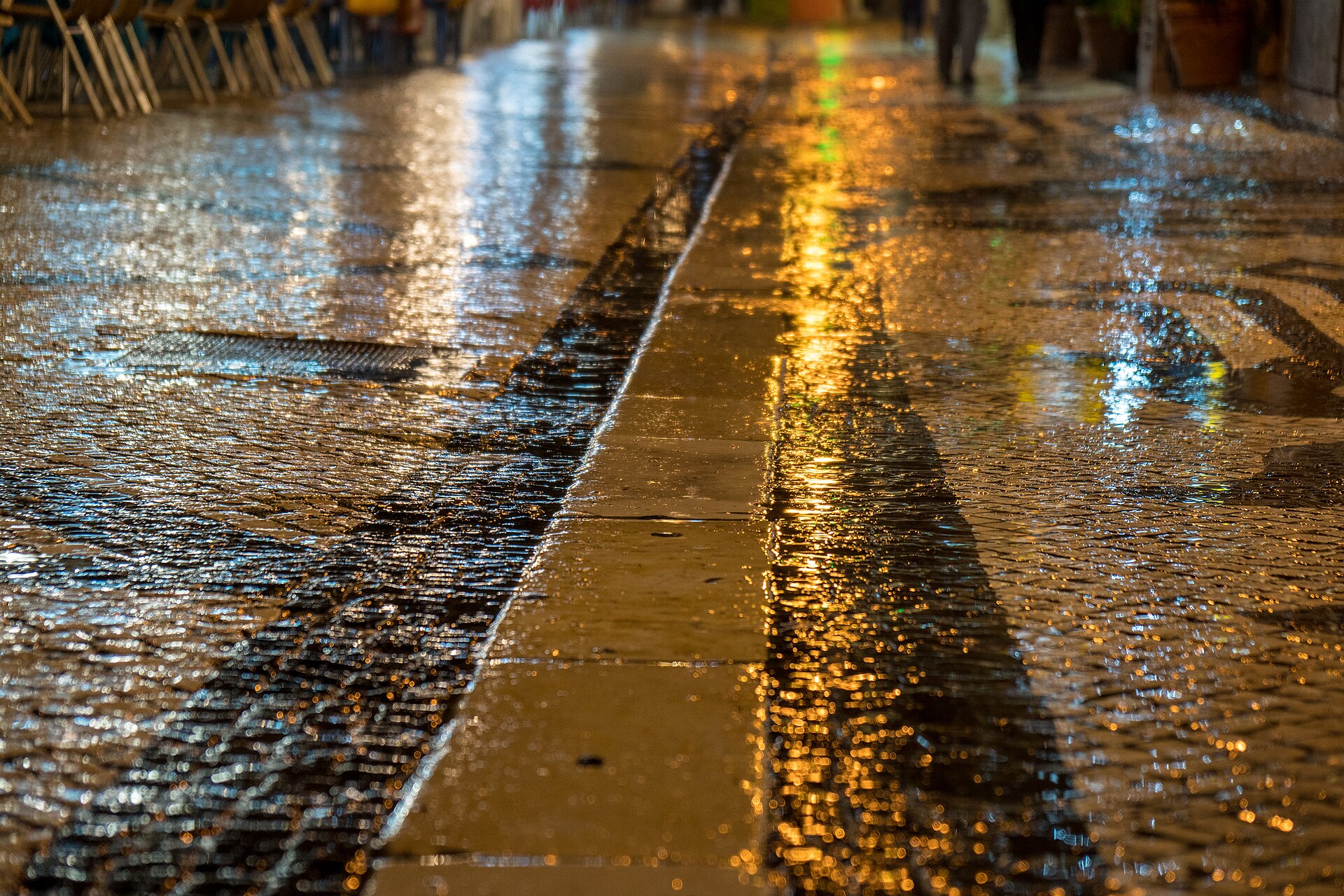
Today, Friday 6 November, from 15:00 until midnight, a yellow rain warning from IPMA (the Portuguese Institute for Sea and Atmosphere) is in force in eight coastal districts, from Viana do Castelo to Setúbal, including Lisbon and Porto. Yellow is the lowest of the three levels: expect downpours, puddles and traffic jams, but no serious danger.
The bigger story is what comes next. On Thursday IPMA named the depression near the Azores Bruna. From Sunday morning, 8 November, it will bring rain across the mainland, "persistent and at times heavy", sometimes with thunderstorms, and this will last until at least Friday, 13 November. More than 200 mm may fall in the mountains over the week. From Sunday the southerly wind will pick up, with gusts of up to 70 km/h on the west coast and in the mountains. On Monday, 9 November, waves off the west coast will reach 4–5 metres, and off the Algarve's south coast 2–3 metres.
From Monday, keep away from seafronts and beaches in the west: 4–5-metre waves wash over breakwaters and waterside paths. IPMA says it will issue new warnings as the week goes on. What we know about the storm is in our article, and the weather by city is in our weather forecast.
Source: our news story
Alexander Svensson, Wikimedia Commons, CC BY 2.0 -
combustíveis2K+ searchesPublished 7 November 2026, 00:33
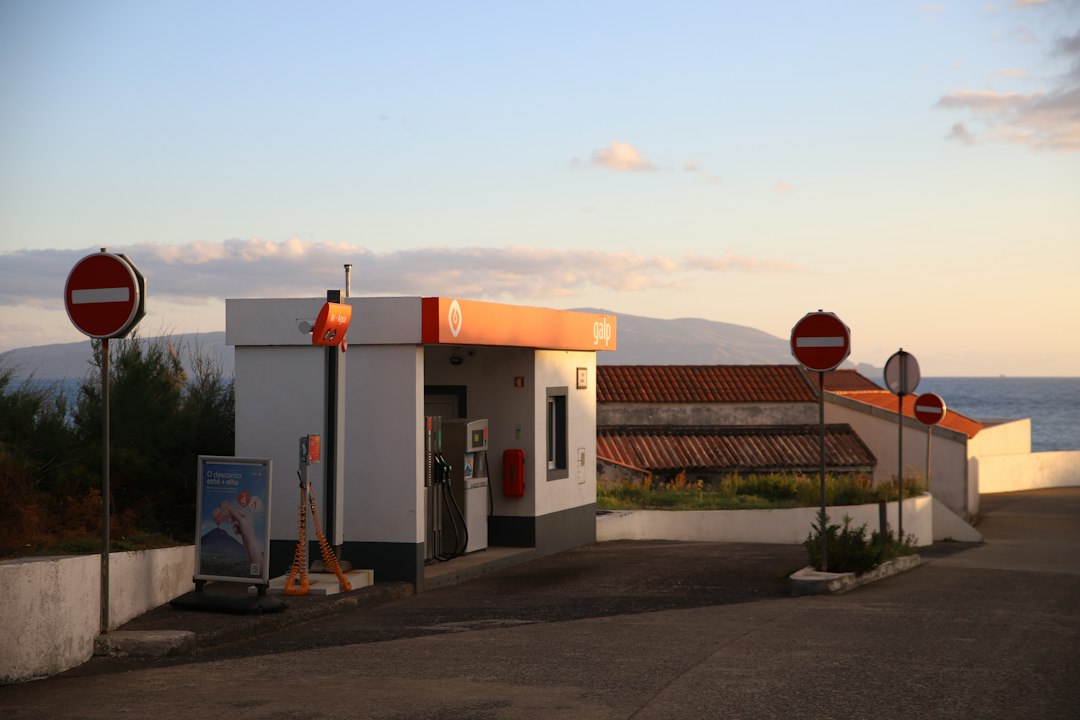
On Monday, 9 November, fuel at the pumps should get noticeably cheaper: the ACP motoring club forecasts a drop of about 11 cents a litre for diesel and 12.5 cents for petrol. According to the Directorate-General for Energy (DGEG), a litre of diesel currently costs €2.205 on average and petrol about €2; if the forecast is right, they will cost about €2.095 and €1.876. Diesel has not fallen this much since March 2022. The reason is that Brent crude fell by almost 17% over the week.
The final prices will be known by the weekend: every week the government reviews the temporary discount on fuel tax (ISP), which has been extended until December. When oil gets cheaper, the discount is reduced, so the newspaper Observador expects a drop closer to 10 cents. If you can hold off, it pays to fill up on Monday rather than at the weekend.
The details are in our article From Monday, 9 November, diesel should get about 11 cents cheaper, and prices by petrol station are on the page How much fuel costs in Portugal.
Source: our news story
A small Galp petrol station by the sea. Photo: Ellienore B., Unsplash -
educação obrigatória2K+ searchesPublished 7 November 2026, 00:33
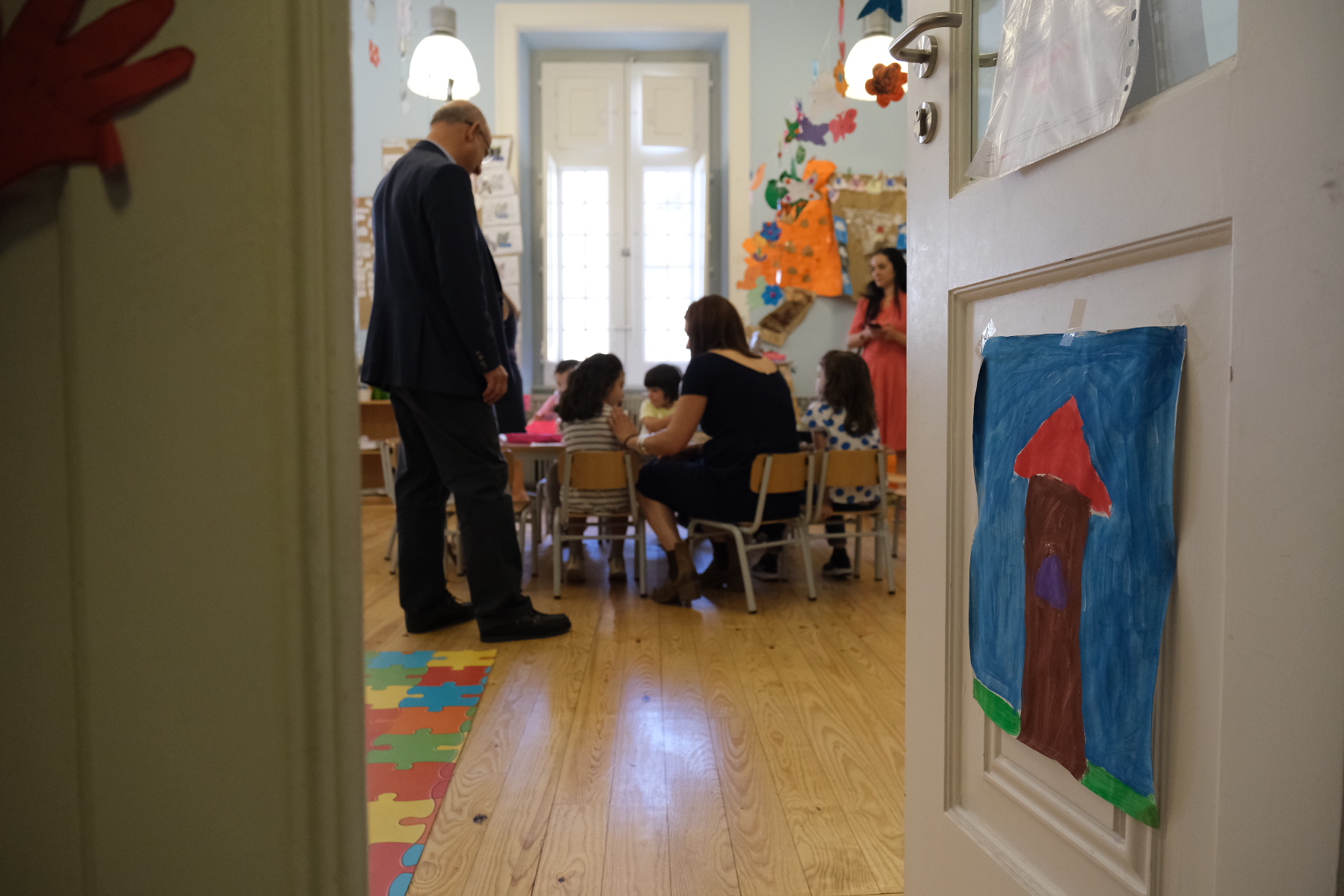
The 12 years of compulsory schooling will be split into two stages of six years each. Education minister Fernando Alexandre announced this in parliament during the debate on the 2027 budget, and today Correio da Manhã, SAPO and other outlets published the details. The first stage will run from year 1 to year 6: the current first cycle (years 1–4, where one teacher teaches almost all lessons) will be merged with the second (years 5–6). The second stage will run from year 7 to year 12: secondary school (secundário) will start in year 7 rather than in year 10, as it does now.
The change will not happen everywhere at once. First the plan will go out to public consultation; then, from the 2027/2028 school year, a single stage for years 1–6 will be piloted in a few schools. The new secondary curriculum, under which maths will become compulsory from year 10 to year 12 on every track, is due to go out to consultation by the end of 2026 and will take effect from the 2028/2029 school year. For more on maths, see our article Maths to become compulsory in years 10–12 on all tracks.
The minister also spoke about the teacher shortage: as of 2 November, 255 teaching posts in schools were still unfilled, 83 of them in years 1–4, which means more than two thousand younger pupils have gone a month and a half without a teacher. In the past week alone, 400 new enrolment applications were made to state schools, many of them for children who have not yet arrived in Portugal.
Source: cmjornal.pt
A lesson at the Maria Barroso primary school in Lisbon. Photo: Esquerda.Net, Flickr, Wikimedia Commons, CC BY-SA 2.0 -
azeite1K+ searchesPublished 6 November 2026, 23:38
There were two olive oil (azeite) stories yesterday. The one that matters most for shoppers: according to the latest forecast from the National Statistics Institute (INE), Portugal will produce about 175,000 tonnes of olive oil this season, which Expresso reports is the second-largest harvest in the country’s history. There is plenty of oil, and it is getting cheaper. According to the weekly agricultural price report summarised by ODigital, extra virgin olive oil (azeite virgem extra) in five-litre bottles is selling at an average of €5.36 a litre, 14.2% less than a year ago, and in bulk at €3.47 a kilogram, 19.3% less.
These are the prices at which producers and wholesalers sell the oil, not supermarket shelf prices, which usually fall later and by less. But if you buy your oil in five-litre bottles at a market, from a cooperative or straight from the olive mill (lagar), it now costs noticeably less than it did last autumn.
The second story comes from the stock market: shares in Spain’s Deoleo, the world’s largest olive oil company, fell by about 20% after it was bought by Spanish competitors. This has no direct effect on prices in Portuguese shops.
Source: odigital.sapo.pt

Hipersyl, Wikimedia Commons, CC BY-SA 4.0 -
11 de novembro5K+ searchesPublished 6 November 2026, 05:06
11 November is St Martin's Day (São Martinho). Folk tradition holds that it brings "St Martin's summer", a few dry, sunny days, and chestnuts are roasted in towns. This year Meteored forecasts something quite different for 10–12 November: warmer than normal, but with prolonged and, in places, heavy rain.
Source: tempo.pt
-
mais-valia5K+ searchesPublished 6 November 2026, 09:03
The holding company Semapa reported a profit of €560 million for the first nine months, most of it from the sale of the cement company Secil; mais-valia is the gain made from selling an asset.
Source: jornaldenegocios.pt
-
vórtice polar2K+ searchesPublished 7 November 2026, 00:33
Forecasters say the polar vortex over the Arctic — the winds about 30 km up that keep cold air near the pole — may weaken next week. If it does, severe cold becomes more likely in parts of Europe at the end of November and in December, but nobody yet knows exactly where.
Source: tempo.pt


